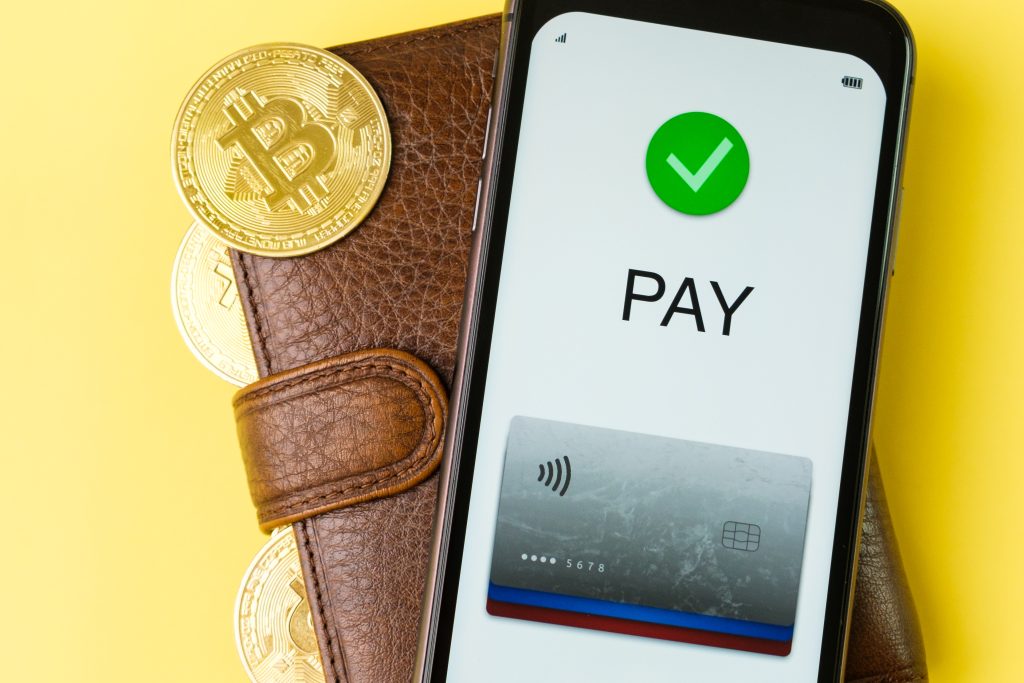
Credit Card On-Ramps for Crypto Exchanges: Unlocking Market Growth with Tier-1 Acquirers
Explore the market value of credit card on-ramps for crypto exchanges, why Tier-1 acquiring partnerships are rare, and how LongWater helps merchants secure them.
Credit Card On-Ramps for Crypto Exchanges: Unlocking Market Growth
For crypto exchanges, the on-ramp experience—how users move from fiat into digital assets—can make or break their business growth. Today, the most common routes remain OTC desks, direct bank transfers, or even cash-based transactions, each of which carries friction for new users.
But what if exchanges could offer the world’s most familiar payment method—credit card deposits? Enabling card payments as an on-ramp has the potential to lower customer acquisition barriers, drive higher conversion rates, and expand market share globally.
Despite its value, very few crypto exchanges have successfully secured direct partnerships with Tier-1 acquiring banks. Understanding why—and how to achieve it—is key for platforms seeking long-term competitiveness.
The Market Value of Credit Card On-Ramps
Across the global economy, credit cards remain the most widely used consumer payment method. According to industry reports, more than 40% of online retail transactions in Europe and over 50% in North America are completed via credit or debit cards.
For crypto exchanges, integrating this payment channel provides several distinct advantages:
- Lowering the entry barrier: New users can fund accounts instantly without navigating complex bank transfers or OTC desks.
- Faster customer conversion: Consumers are far more likely to complete a transaction if a card option is available.
- Global scalability: Credit cards are universally recognised, supporting growth across multiple regions.
- Increased transaction volume: Users accustomed to card payments are more likely to transact regularly.
In short, card on-ramps align crypto with mainstream digital commerce, making exchanges more competitive in attracting everyday users.
Why Only a Few Exchanges Can Access Tier-1 Acquirers
If credit card on-ramps are so valuable, why do so few exchanges have them? The answer lies in the high-risk merchant classification.
From an acquiring bank’s perspective, crypto exchanges represent a combination of elevated risks:
- Regulatory uncertainty across jurisdictions, with evolving rules for digital assets.
- High fraud and chargeback exposure, especially from first-time or speculative investors.
- AML / KYC scrutiny, where regulators demand higher standards than in traditional industries.
- Rapid growth and volatility, which banks may interpret as instability.
As a result, most Tier-1 acquirers are hesitant to approve crypto merchants for direct onboarding. Many exchanges end up relying on:
- Second-tier payment service providers, often at higher costs.
- Offshore acquiring relationships, which may be unstable or limited.
- Indirect card processing routes, prone to sudden disruptions.
This scarcity explains why only a handful of global exchanges have secured direct Tier-1 acquiring bank contracts.
The Advantages of Partnering with Tier-1 Acquirers
For those exchanges that do succeed, the benefits are transformational.
- Lower transaction costs – Direct acquiring eliminates multiple intermediaries, cutting fees.
- Stability and reliability – Banks are less likely to terminate direct, well-vetted partnerships.
- Higher approval rates – Fewer declined transactions, leading to stronger user confidence.
- Brand credibility – Association with leading financial institutions builds trust with customers and regulators alike.
- Market expansion – Direct acquirers support multi-currency processing and cross-border payments, enabling global growth.
- Scalability – Exchanges can handle higher transaction volumes without interruption.
In essence, a direct Tier-1 acquiring relationship becomes a strategic asset, setting successful exchanges apart from their competitors.
What Acquiring Banks Expect from Crypto Merchants
To access these advantages, exchanges must meet high standards. From LongWater’s experience, Tier-1 acquirers typically look for:
- Robust compliance frameworks – Demonstrating strong AML / KYC policies and independent audits.
- Clear ownership and governance – Transparent structures with no regulatory red flags.
- Proven operational track record – Evidence of controlled fraud rates and sustainable business growth.
- Detailed onboarding packages – Complete financials, transaction histories, and process documentation.
Without these elements, even large exchanges risk rejection at the underwriting stage.
How LongWater Helps Crypto Exchanges Secure Direct Acquiring
At LongWater, we act as cross-border payments co-pilots—bridging the gap between high-risk merchants and top-tier acquiring banks.
Our support includes:
- Advisory on compliance frameworks – Ensuring AML / KYC readiness that meets Tier-1 standards.
- Preparation of merchant packages – Presenting documentation in line with acquirer expectations.
- Acquirer matchmaking – Identifying and approaching banks open to working with crypto merchants.
- Onboarding guidance – Managing the full process from application to approval.
- Long-term partnership management – Helping maintain relationships and reduce the risk of sudden termination.
By partnering with LongWater, crypto exchanges can increase their chances of approval, shorten onboarding timelines, and access the strategic advantage of direct Tier-1 acquiring relationships.
The future of crypto adoption depends on lowering barriers to entry. While OTC desks and bank transfers will continue to play a role, credit card on-ramps represent the next frontier in customer acquisition and market expansion.
Only a select few exchanges have achieved this capability by securing direct Tier-1 acquiring partnerships. For those that do, the benefits in cost, credibility, and scalability are substantial.
With LongWater as a payment co-pilot, crypto exchanges gain the expertise and advocacy needed to navigate compliance, earn bank trust, and unlock the full potential of credit card on-ramps in global markets.